
Aprendizaje experiencial
DESAFÍO y EXPERIENCIA seguidos de REFLEXIÓN que conducen a APRENDIZAJE y CRECIMIENTO
Asociación para la Educación Experiencial
El aprendizaje vivencial se trata de aprender a través de la experiencia, apoyado por la reflexión, la conexión y la aplicación intencional de la nueva comprensión en diferentes contextos. En Digital Human Library, esto no es un complemento ni una actividad especial; es una filosofía de diseño. Creamos el aprendizaje para que los estudiantes participen en experiencias significativas que puedan revisitar, reflexionar y llevar consigo, porque el aprendizaje se profundiza no en el momento, sino en el pensamiento, la conexión y la aplicación que siguen.
Ciclo de Aprendizaje Vivencial
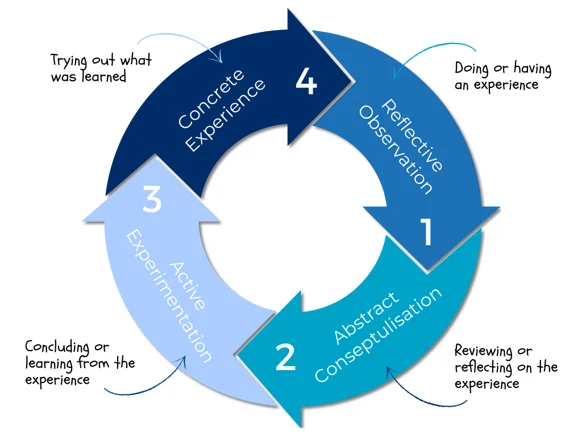
La Biblioteca Humana Digital se basa en la Teoría del Aprendizaje Experiencial de Kolb, fundamentada en el trabajo de John Dewey, Kurt Lewin, Jean Piaget, Carl Rogers y William James.
Las experiencias se convierten en aprendizaje cuando los alumnos pasan por las cuatro etapas del ciclo de Kolb:
- tener una experiencia concreta
- reflexionando sobre esa experiencia
- formando nuevas comprensiones e ideas
- aplicar ese aprendizaje en situaciones nuevas
El aprendizaje no ocurre en un solo momento. Se desarrolla a través de este proceso.
Sin tiempo para reflexionar, interpretar y aplicar nuevas ideas, una experiencia es un momento en el tiempo, en lugar de un aprendizaje profundo.
La Biblioteca Humana Digital hace posible llevar experiencias reales al aula a través de conversaciones con expertos, exploración de entornos y exposición a trayectorias del mundo real. Estas experiencias dan a los estudiantes algo concreto de lo que partir en lugar de simplemente leer sobre ello.
Diseñando Experiencias de Aprendizaje
Intención
El aprendizaje experiencial comienza con la intención.
Antes de una experiencia, los educadores consideran:
- por qué la experiencia importa
- cómo se conecta con los objetivos de aprendizaje
- lo que los estudiantes podrían notar, cuestionar o preguntarse
La intención refleja la claridad del propósito. Cuando el propósito está claro, las experiencias contribuyen al aprendizaje.
PathBuilder se utiliza en esta etapa para seleccionar y organizar experiencias de modo que se alineen con los objetivos de aprendizaje y formen parte de una secuencia más amplia en lugar de ser independientes.
Elementos Fundamentales del Aprendizaje
El diseño intencional considera cuatro elementos interconectados.
Pedagogías Modernas
Una integración reflexiva de enfoques como el aprendizaje experiencial, la indagación, el aprendizaje basado en proyectos y el pensamiento de diseño.
Ambiente de aprendizaje
Los espacios y las condiciones que respaldan el aprendizaje, tanto físicos como digitales.
Alianzas de Aprendizaje
Conexiones entre estudiantes, educadores, familias y socios comunitarios.
Tecnologías Digitales
Herramientas que amplían el acceso y permiten a los estudiantes explorar y aplicar el aprendizaje de nuevas maneras.
Competencias Globales
El aprendizaje experiencial apoya el desarrollo de habilidades transferibles que los estudiantes necesitan para navegar en un mundo complejo. A través de experiencias significativas, los estudiantes fortalecen su capacidad para pensar críticamente, comunicarse con claridad, colaborar eficazmente y actuar como ciudadanos globales informados. También desarrollan la creatividad, la iniciativa y las habilidades para resolver problemas, al tiempo que aprenden a reflexionar, adaptarse y asumir la responsabilidad de su aprendizaje. Estas competencias crecen con el tiempo a medida que los estudiantes conectan experiencias, aplican su aprendizaje en nuevos contextos y se relacionan con personas, ideas y entornos más allá del aula.
La planificación pasa de centrarse en lo que los estudiantes producen a cómo aprenden.
Aprendizaje a través de la experiencia
Experiencias que Apoyan el Aprendizaje
El aprendizaje experiencial puede adoptar muchas formas:
- conversaciones con personas que comparten experiencias vividas y profesionales
- exploración de lugares, carreras y culturas
- proyectos basados en la indagación
- resolución colaborativa de problemas
La Biblioteca Humana Digital proporciona acceso a estas experiencias a través de:
- Videoconferencia con Expertos (VC) donde los estudiantes interactúan directamente con profesionales
- Visitas Virtuales y Realidad Virtual (VV/RV) donde los estudiantes exploran entornos y sistemas
- Asesor de Carrera (AC) donde los estudiantes conectan el aprendizaje con trayectorias futuras
Relaciones
Las relaciones son fundamentales para el aprendizaje experiencial.
Estos incluyen relaciones con uno mismo, con los demás, con el entorno, con la comunidad, con la tecnología y con el propio proceso de aprendizaje.
La videoconferencia crea una conexión humana directa. La exploración virtual conecta a los estudiantes con lugares y sistemas. CareerMentor conecta el aprendizaje con posibilidades futuras.
Autenticidad
Las experiencias son más efectivas cuando se basan en contextos del mundo real.
- los estudiantes exploran lugares reales
- los estudiantes se conectan con personas reales
- los estudiantes interactúan con ideas reales
La Biblioteca Humana Digital proporciona acceso a entornos y perspectivas reales, ayudando a tender puentes entre el aprendizaje del aula y el mundo.
Haciendo Visible el Aprendizaje
Reflexión
La reflexión convierte la experiencia en comprensión.
- los estudiantes procesan lo que encontraron
- los estudiantes examinan ideas y suposiciones
- los estudiantes conectan experiencias con conocimientos previos
- los estudiantes reconocen cómo está cambiando su pensamiento
Las experiencias de la Biblioteca Humana Digital brindan a los estudiantes un punto de referencia compartido, facilitando la revisión de detalles y la participación en discusiones significativas.
Dando sentido al aprendizaje
A medida que los estudiantes reflexionan, comienzan a dar sentido a sus experiencias.
- los estudiantes identifican patrones y relaciones
- los estudiantes revisan ideas desde diferentes puntos de vista
- los estudiantes conectan nuevas experiencias con conocimientos existentes
PathBuilder conecta múltiples experiencias para que la comprensión se desarrolle a través de las lecciones en lugar de forma aislada.
Aplicando el aprendizaje
El aprendizaje continúa cuando los estudiantes utilizan lo que han aprendido en nuevos contextos.
- Los estudiantes usan ideas en diferentes situaciones
- los estudiantes abordan nuevos problemas con conocimientos previos
- los estudiantes transfieren la comprensión entre contextos
La aplicación a menudo ocurre entre experiencias. El conocimiento adquirido de una experiencia moldea cómo los estudiantes participan en la siguiente.
La Biblioteca Humana Digital permite esto al proporcionar múltiples tipos de experiencias que se pueden usar en secuencia.
Apoyando el aprendizaje a lo largo del tiempo
Aprendizaje a lo largo del tiempo
El aprendizaje experiencial se desarrolla a lo largo del tiempo.
- los estudiantes regresan a las ideas a través de múltiples experiencias
- los estudiantes revisan preguntas con una comprensión más profunda
- los estudiantes construyen sobre el conocimiento previo
- los estudiantes reconocen cómo evoluciona su pensamiento
Las experiencias de la Biblioteca Humana Digital están diseñadas para ser revisitadas. PathBuilder organiza estas experiencias para que se conecten y se desarrollen con el tiempo.
Monitoreo y Mejora Continua
El aprendizaje mejora a través de la retroalimentación y el ajuste.
- los educadores responden al pensamiento de los estudiantes
- los educadores responden a preguntas emergentes
- los educadores responden a nuevas ideas
La Biblioteca Humana Digital permite a los educadores ajustar el aprendizaje a medida que se desarrolla seleccionando nuevas experiencias o revisando las anteriores.
Evaluación
La evaluación y la valoración apoyan tanto el proceso como los resultados del aprendizaje.
- la evaluación rastrea el progreso y refina los objetivos
- medidas de evaluación del aprendizaje general
La Biblioteca Humana Digital proporciona puntos de referencia claros para la evaluación a través de experiencias compartidas y aprendizaje observable.
Celebrar
La celebración reconoce el aprendizaje y apoya el crecimiento continuo.
- la celebración proporciona un cierre
- la celebración refuerza la comprensión
- la celebración motiva un mayor aprendizaje
El aprendizaje experiencial crea resultados visibles que pueden ser compartidos y desarrollados.
Reimagina el Aprendizaje
El aprendizaje experiencial, por naturaleza, enciende ricas conversaciones sobre cómo ocurre el aprendizaje y el importante trabajo que hacemos como educadores. Y a medida que reflexionas sobre tu porqué y sobre tus propias intenciones, considerando cómo las relaciones impactan el aprendizaje, esperamos que reflexiones sobre el aprendizaje experiencial como una oportunidad para integrar experiencias de aprendizaje auténticas en tu programa de aula que sumerjan a los estudiantes en el proceso de aprendizaje, con oportunidades de reflexión, seguimiento y evaluación de su progreso y logros.
El aprendizaje experiencial convierte la experiencia en comprensión.
Trabajando con los Servicios de la Biblioteca Humana Digital
Los servicios de la Biblioteca Humana Digital se pueden usar de forma independiente o combinados de maneras que apoyen el aprendizaje conectado a lo largo del tiempo. Muchos educadores unen experiencias para fomentar la curiosidad y la indagación de los estudiantes, conectar ideas y profundizar la comprensión. Trabajar en todos los servicios apoya la planificación que integra contexto, experiencia y conexión humana de maneras intencionadas.

Videoconferencia con expertos

Visitas Virtuales y RV

MentorProfesional IA
Constructor de Rutas
Únete a nosotros
¡Comienza hoy mismo un aprendizaje significativo y conectado con Digital Human Library! Los profesores individuales pueden suscribirse directamente a través de nuestro sitio web. Se invita a los distritos, escuelas y bibliotecas a ponerse en contacto con nosotros para obtener más información.